How to Create a Digital Options Trading Plan (Checklist Included)
 Reviewed by Sasaenia Omilabu, FCCA, MBA (Commodity Trading)

This article gives general information and opinions as of its date. It is not a forecast we stand behind, a trading signal or investment advice. Prices can move against any view.
Introduction
Digital options trading is an exciting and potentially profitable venture, but it requires discipline, strategy, and a solid trading plan to succeed. Without a well-defined roadmap, traders often fall into impulsive decision-making, leading to unnecessary losses. This guide will walk you through the process of creating a structured digital options trading plan and provide a free downloadable template to help you stay on track.
Successful traders treat digital options as a business rather than gambling. This means having a structured approach, predefined risk management rules, and a clear checklist before executing any trade. A trading plan helps remove emotional decisions and improves consistency over the long term.
Why You Need a Digital Options Trading Plan
A well-structured trading plan acts as your personal rulebook, helping you:
- Define trading objectives
- Set up entry and exit criteria
- Manage risk effectively
- Avoid emotional trading
- Track and refine your strategy over time
- Build long-term profitability by improving discipline
The importance of a trading plan cannot be overstated. Without one, traders tend to make inconsistent decisions, leading to poor results. Many beginners start trading with excitement but quickly lose money due to a lack of preparation. By having a structured approach, traders can navigate the markets with greater confidence.
1. Define Your Trading Hours
Trading digital options requires consistency. Set a fixed schedule based on:
- Market Hours: Choose the best trading sessions for your preferred assets (e.g., London, New York, or Tokyo sessions).
- Personal Availability: Trade at times when you can focus without distractions.
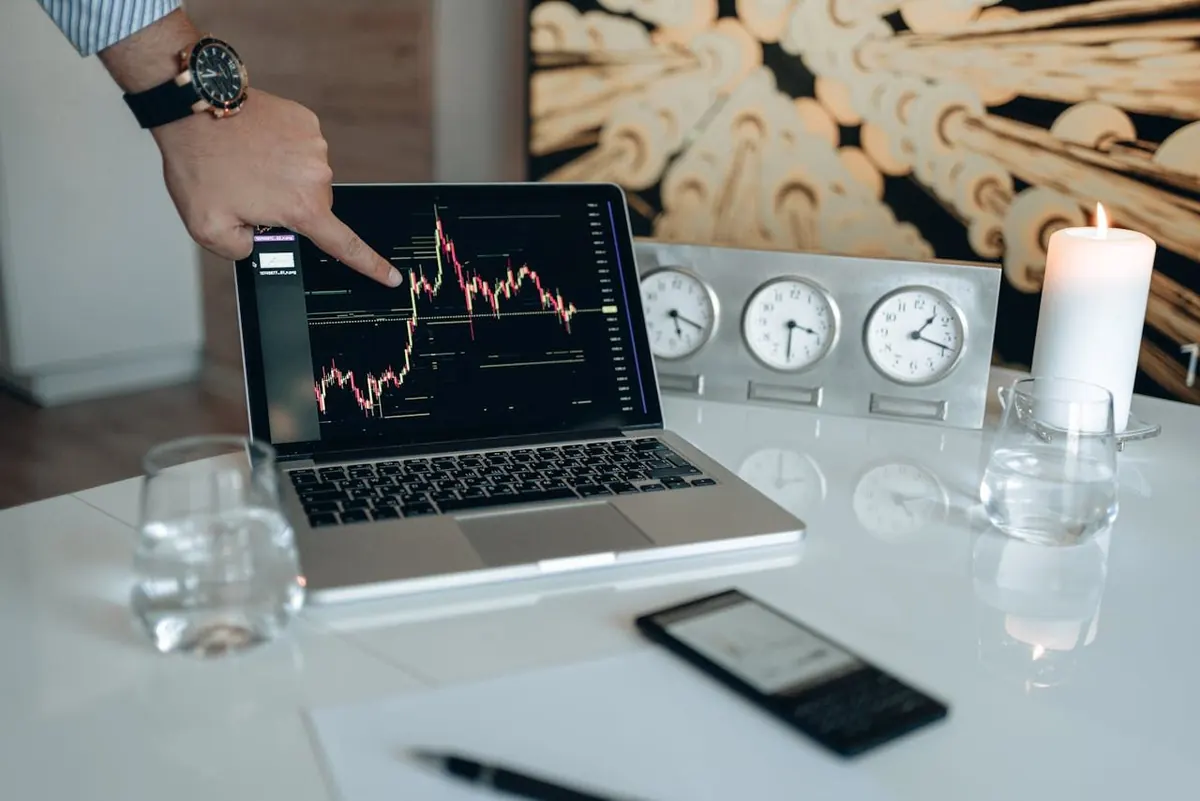
Each financial market has different volatility levels depending on the time of day. Understanding these market sessions is key:
- Asian Session (Tokyo): Lower volatility, best for range-bound strategies.
- European Session (London): High liquidity, trending markets.
- US Session (New York): Most volatile, strong price movements.
- Overlap Periods: The London-New York overlap has the highest trading volume, making it ideal for digital options traders.
Example: I will trade from 9:00 AM to 12:00 PM EST, focusing on the London-New York overlap for high volatility.
2. Choose Your Trading Assets
Avoid spreading yourself too thin. Select 2-3 assets you understand well. Popular choices include:
- Major currency pairs (EUR/USD, GBP/USD)
- Commodities (Gold, Oil)
- Indices (S&P 500, NASDAQ)
Choosing the right assets is crucial for consistency. The key is to focus on liquid markets where price movements follow recognizable patterns. Avoid exotic currency pairs or less-traded assets, as they may have erratic price movements.
Example: I will trade EUR/USD and Gold, as they have high liquidity and fit my strategy.
3. Define Your Setup Criteria
Set clear rules for when to enter a trade. Criteria may include:
- Technical Indicators: Moving Averages, RSI, MACD, Bollinger Bands
- Candlestick Patterns: Pin Bars, Engulfing Patterns
- News Events: Avoid trading around high-impact news
Example: I will enter a CALL trade when the price is above the 50-MA, RSI is above 50, and a bullish engulfing candle appears.
Having a setup criterion ensures you only enter high-probability trades rather than making impulsive decisions. Make sure your strategy is back-tested and aligns with market conditions.
4. Set Your Risk Per Trade
Risk management is crucial in digital options trading. Follow these guidelines:
- Risk no more than 1-2% of your account per trade
- Use a fixed stake per trade (e.g., 5% of the total capital)
- Never chase losses
Example: If my account balance is $1,000, I will risk only $20 per trade.
Many traders make the mistake of increasing their trade sizes after a loss. This often leads to larger losses and emotional decision-making. Instead, focus on a consistent risk percentage to preserve your capital.
5. Establish Your Maximum Trades Per Day
Overtrading can lead to losses. Define a daily trading limit to maintain discipline.
Example: I will take a maximum of 5 trades per day. If I lose 3 consecutive trades, I will stop trading for the day.
Setting a maximum trade limit prevents revenge trading, which occurs when traders try to recover losses by placing multiple trades without a proper setup.
6. Implement a Digital Options Risk Management Plan
A sound risk management strategy ensures long-term profitability. Key elements include:
- Stop-Loss Rule: Stop trading after hitting a loss limit (e.g., 5% of account balance per day)
- Profit Target: Set a daily profit goal to lock in gains
- Diversification: Avoid placing multiple trades on correlated assets
Example: If I reach a 5% profit target or a 3-loss streak, I will stop trading for the day.
Good risk management helps ensure longevity in trading. Trading without limits can lead to emotional decisions, which often result in excessive losses.

7. Keep a Trading Journal
Tracking your trades helps refine your strategy. Log each trade, including:
- Date & Time
- Asset & Expiry Time
- Entry Price & Direction (CALL/PUT)
- Trade Outcome
- Notes on Why You Took the Trade
Example: I will maintain a spreadsheet to review my trades weekly and identify areas for improvement.
A journal helps traders learn from past mistakes, refine strategies, and track their performance over time.
8. Use a Daily Trading Checklist for Digital Options
Before placing any trade, run through a checklist to ensure you are following your plan.
Example Checklist:
✅ Checked market news and upcoming economic events
✅ Verified technical indicators align with strategy
✅ Ensured proper risk management rules are followed
✅ Recorded trade details in the journal
✅ Emotionally prepared for trading
Practice using this checklist on a free demo account before trading live. This will help to structure your trading process effectively.
Conclusion
A structured digital options trading plan keeps you disciplined and reduces impulsive trading decisions. By following a well-defined strategy, managing risks effectively, and reviewing performance, you can increase your chances of long-term success.
For a reliable digital options trading platform, check out Crystal Ball Markets and start trading with confidence!
CFDs are complex instruments and come with a high risk of losing money rapidly due to leverage. Capital is at risk. Risk warning